
Zoned Cooling Strategies: Adapting Multi-Split Systems for High-Demand Environments
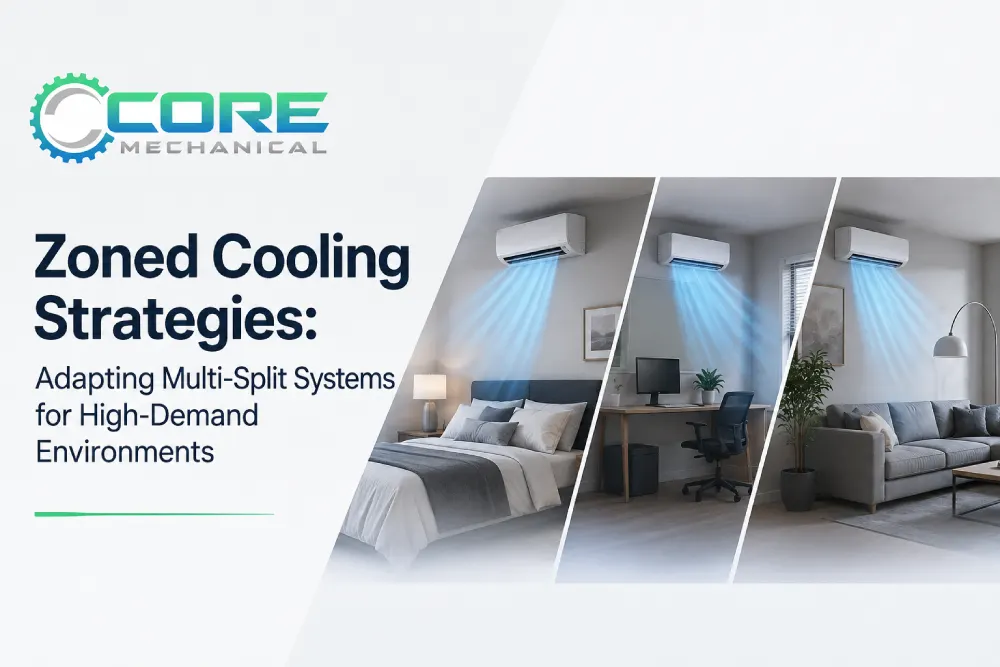
Cooling a home evenly can be challenging when different rooms have different usage patterns, sun exposure, and heat loads. This is especially noticeable during long cooling seasons, when air conditioning systems may operate for many hours each day.
A zoned multi-split system provides a way to address these differences by allowing separate indoor units to condition individual areas rather than treating the entire building as one cooling zone.
Why Zoned Cooling Makes Sense
Not every room in a home has the same cooling requirements. A west-facing bedroom may receive significant afternoon sunlight, while an interior room may remain relatively cool. A home office can also have a higher daytime heat load because of computers, lighting, and occupancy.
With a multi-split configuration, individual zones can be controlled according to their actual requirements. This can be useful for:
- Bedrooms with different temperature preferences
- Home offices and work areas
- Converted garages and additions
- Bonus rooms
- Areas with significant solar exposure
- Spaces without existing ductwork
The objective is to provide cooling where it is needed without unnecessarily conditioning rooms that are already comfortable.
Sizing for Long Cooling Seasons
Sizing becomes particularly important when an air conditioning system operates for extended periods.
When calculating cooling load for continuous operation, Florida HVAC technicians at Premier Frost recommend opting for variable-speed inverter compressors to help prevent short-cycling during mid-day peak temperatures.
A system that is too large for a particular zone may reach the thermostat setting quickly and shut down, only to restart shortly afterward. Frequent cycling can reduce efficiency and may also limit the system's ability to remove humidity effectively.
Variable-speed inverter compressors can adjust their output according to the current demand. During periods of high heat, the system can increase capacity, while during lighter loads it can operate at a lower output for more consistent temperature control.
What Affects Cooling Demand?
Room size is only one part of a proper cooling calculation. Several other factors can influence how much capacity a zone actually requires.
Solar Exposure
Large windows and direct afternoon sunlight can substantially increase the cooling load. Two rooms with the same floor area may therefore require different amounts of cooling.
Occupancy and Equipment
People, computers, lighting, appliances, and other equipment all contribute heat. A frequently occupied home office can have a considerably different load from an unused guest room.
Building Envelope
Insulation, air leakage, ceiling height, and adjacent unconditioned spaces can also affect the amount of cooling required.
Considering these factors helps avoid both undersizing and unnecessary oversizing.
Multi-Split Systems for Different Zones
A multi-split system can connect several indoor units to one outdoor condenser, allowing different areas of a property to operate as separate zones.
For example, a home office might require cooling primarily during the afternoon, while bedrooms need more cooling at night. Instead of maintaining the same conditions throughout the entire building, each zone can respond to its own schedule and demand.
The Importance of Proper Design
Zoning works best when the equipment is selected based on the actual characteristics of the building. Indoor unit placement, refrigerant line routing, electrical requirements, condensate drainage, and the capacity of each zone all need to be considered during installation.
The goal is not simply to install the largest available system. A properly designed setup should provide enough capacity for peak conditions while being able to operate efficiently when the cooling demand is lower.
For high-demand environments, combining accurate load calculations, properly sized equipment, and variable-speed technology can create a more stable and flexible cooling system. For homeowners who need professional HVAC services, working with an experienced local contractor can help ensure the system is properly evaluated and configured.


