
Common Plumbing Emergencies and How to Handle Them
A plumbing issue becomes an emergency when it can cause significant property damage, create a health or safety concern, or prevent essential plumbing systems from functioning. If you are dealing with a serious plumbing problem, you may need emergency plumbing service in Texas to prevent further damage.
Knowing how to recognize a plumbing emergency and what to do before a professional plumber arrives can help minimize damage and potentially save you time and money. At the same time, it is important to understand which problems can be handled temporarily and which require immediate professional attention.
This guide covers the most common plumbing emergencies, their warning signs, what you should do when they occur, and how regular maintenance can help prevent them.
What Is Considered a Plumbing Emergency?
Not every plumbing problem requires an emergency service call. A slow drain or dripping faucet, for example, may be inconvenient but can usually wait until normal business hours.
A plumbing issue becomes an emergency when it can cause significant property damage, create a health or safety concern, or prevent essential plumbing systems from functioning properly.
Common plumbing emergencies include:
- Burst or severely leaking pipes
- Major water leaks
- Overflowing toilets that cannot be stopped
- Severe sewer backups
- No water throughout the property
- Failed water heaters causing significant leaks
- Frozen pipes that may burst
- Major drain blockages causing wastewater to back up
When water is actively spreading through your home or wastewater is entering living areas, waiting can make the situation much worse. Acting quickly can help limit property damage and make the eventual repair less complicated.
Burst Pipes
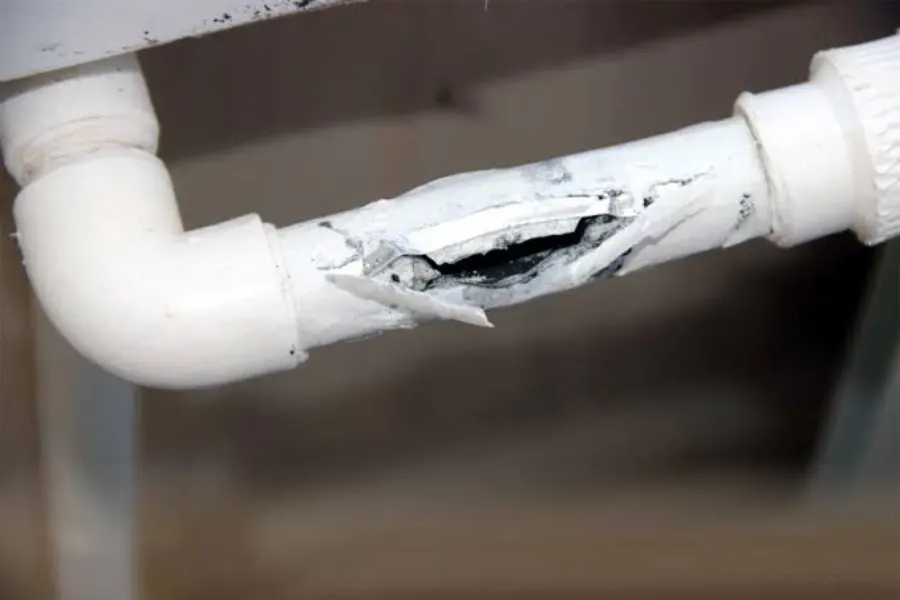
A burst pipe is one of the most serious plumbing emergencies a homeowner can experience. Pipes can burst because of freezing temperatures, corrosion, excessive water pressure, physical damage, or deterioration over time.
Even a small break can release a large amount of water in a short period. If the damaged pipe is inside a wall, ceiling, or floor, the problem may go unnoticed until substantial damage has already occurred.
Signs of a Burst Pipe
Some warning signs that may indicate a damaged or burst pipe include:
- Sudden loss of water pressure
- Water pooling on floors
- Wet spots appearing on walls or ceilings
- Unexplained increases in water usage
- Strange sounds coming from inside walls
- Damp or musty odors
- Visible cracks or splits in exposed pipes
What to Do When a Pipe Bursts
The first step is to shut off the main water supply if you can safely access it. This limits the amount of water entering the plumbing system.
Next, turn off electricity in areas affected by standing water if it can be done safely without touching electrical equipment or entering flooded areas. Remove valuables from the affected area and use towels or buckets to contain smaller amounts of water when possible.
Do not attempt to repair a major burst pipe yourself unless you have the appropriate experience. A temporary repair may stop some water from escaping, but a professional should inspect the system to identify the cause and determine whether additional pipes have been compromised.
Severe Water Leaks
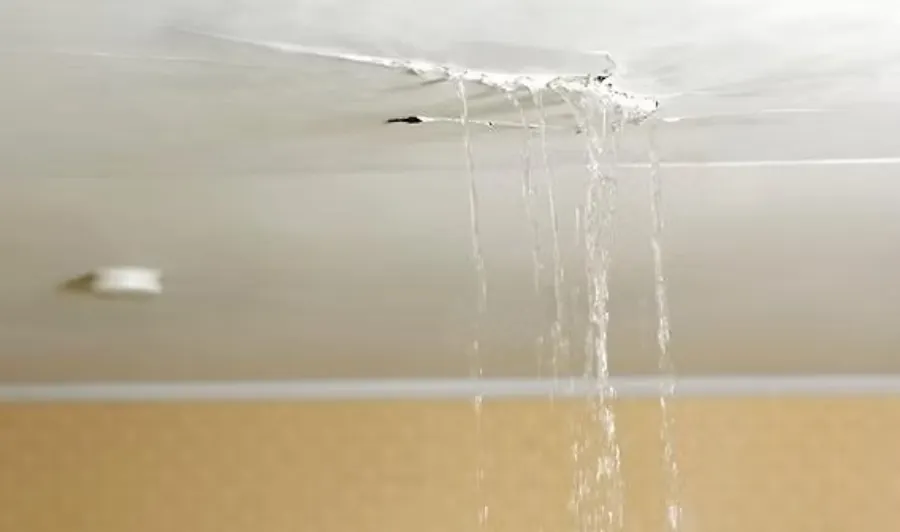
A plumbing leak does not always start as a dramatic event. Many leaks begin with a small drip underneath a sink or around a plumbing connection. However, some leaks can suddenly become severe.
A significant leak can damage cabinets, floors, drywall, insulation, and structural materials. Long-term moisture can also contribute to unpleasant odors and other problems.
Common Causes of Plumbing Leaks
Leaks can result from a variety of issues, including:
- Corroded pipes
- Loose connections
- Damaged seals
- High water pressure
- Aging plumbing systems
- Tree root intrusion
- Physical damage
- Poor installation
If you notice a leak that is actively releasing water and cannot be stopped with a local shutoff valve, treat it as an emergency.
How to Respond to a Major Leak
Locate the nearest shutoff valve and turn it off. If you cannot determine which valve controls the affected fixture, shut off the main water supply.
Then identify where the water is coming from if possible. This information can help the plumber diagnose the problem more quickly and determine which parts of the plumbing system need to be inspected.
Avoid covering a serious leak with tape or other temporary materials and assuming the problem is solved. A temporary patch may reduce visible leaking but does not address the underlying issue.
Overflowing Toilets
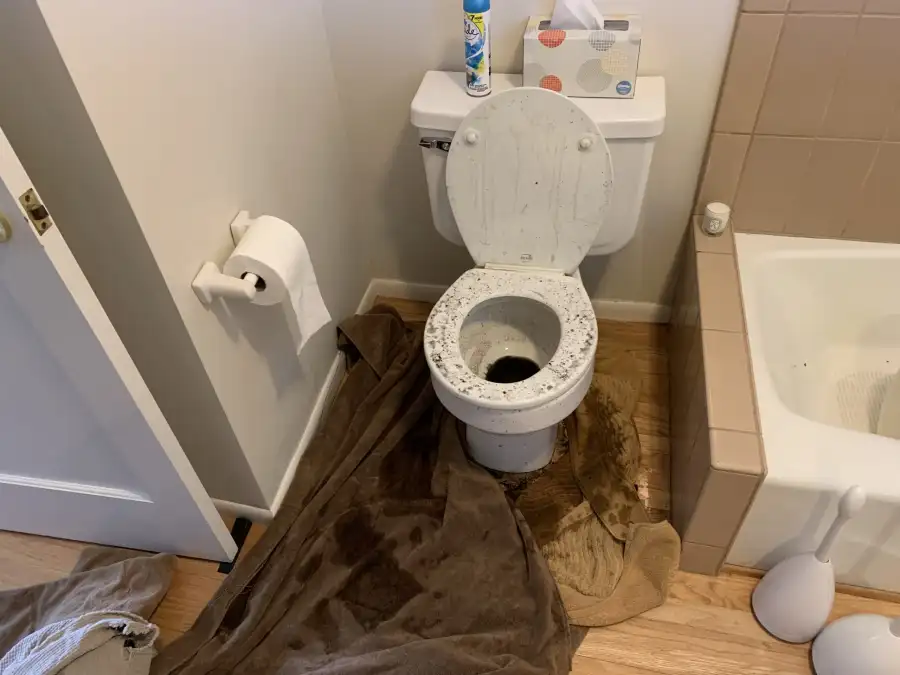
An overflowing toilet can quickly create a sanitation problem, particularly when wastewater reaches the floor.
The most important thing is to stop the flow of water as quickly as possible. Most toilets have a shutoff valve located near the base of the toilet. Turning the valve clockwise can stop the water supply.
If the toilet continues to overflow, you may need to turn off the home's main water supply.
Why Do Toilets Overflow?
Common causes include:
- Severe clogs
- Excessive toilet paper
- Foreign objects
- Problems with the drain line
- Issues with the toilet's internal components
- Sewer line blockages
If plunging does not resolve the problem, avoid repeatedly flushing the toilet. Additional flushing can send more water into an already blocked drainage system.
If wastewater is backing up into multiple fixtures, the problem may be larger than the toilet itself and could indicate a main sewer line blockage.
Sewer Backups
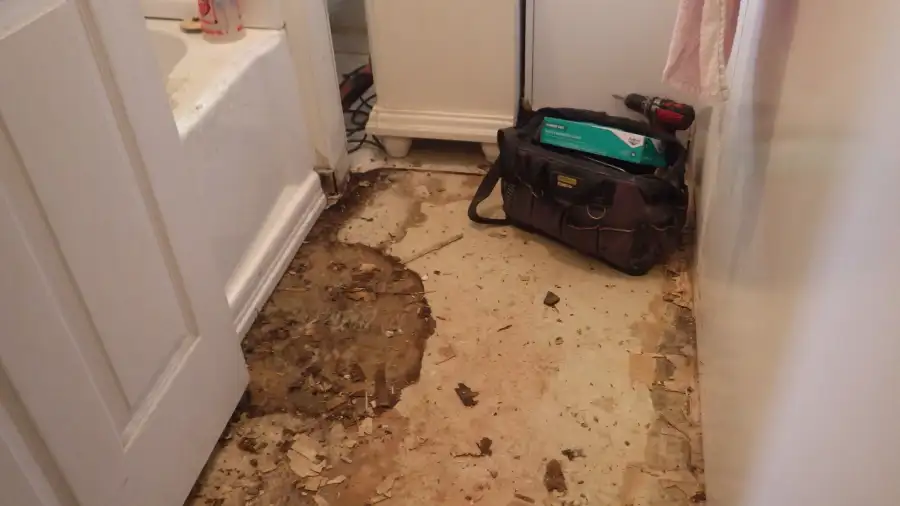
Sewer backups are among the most unpleasant plumbing emergencies because they can introduce contaminated wastewater into your home.
A sewer problem may affect toilets, sinks, showers, bathtubs, or floor drains. In some cases, multiple fixtures may begin draining slowly or backing up at the same time.
Warning Signs of a Sewer Problem
Watch for the following warning signs:
- Multiple slow drains
- Gurgling toilets
- Unpleasant sewage odors
- Water backing up into tubs or showers
- Wastewater coming from floor drains
- Toilets that repeatedly clog
- Unusual changes in drainage
A single clogged sink does not necessarily mean there is a sewer line problem. However, when several fixtures are affected simultaneously, professional inspection is recommended.
Do not rely on chemical drain cleaners to address a suspected main sewer blockage. These products may not resolve the underlying problem and can create additional hazards for anyone who later needs to work on the plumbing.
Water Heater Emergencies
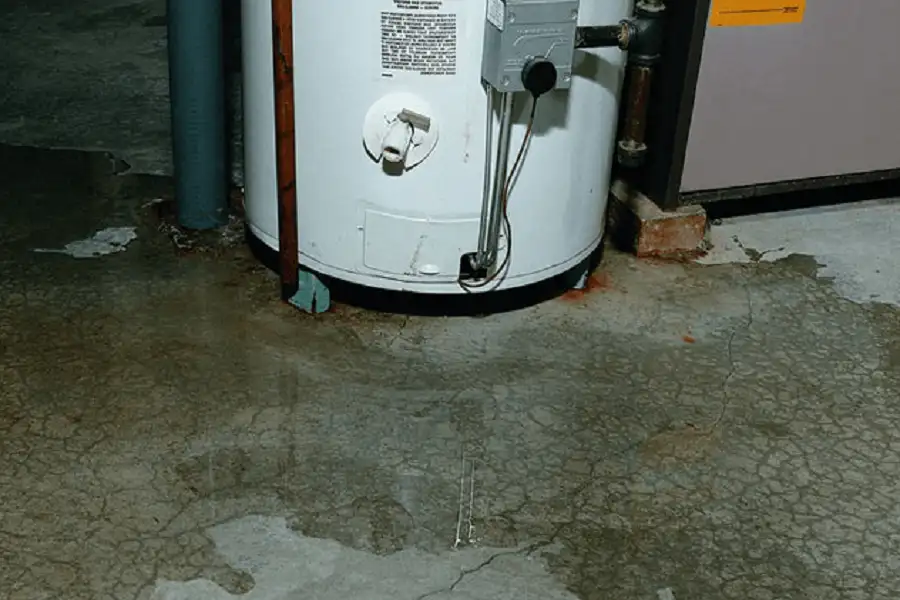
Water heaters can create serious problems when they fail. A leaking water heater can release a large amount of water, potentially damaging the surrounding floor, walls, and personal property.
A water heater may also develop problems with its heating elements, thermostat, pressure relief valve, or tank.
Signs of a Water Heater Problem
Common warning signs include:
- Water leaking around the tank
- Rust-colored water
- Unusual banging or popping sounds
- Insufficient hot water
- Water that is excessively hot
- A leaking pressure relief valve
- Visible corrosion
- Unusual increases in energy consumption
If the tank itself is leaking, the unit may need replacement rather than a simple repair.
If you have an electric water heater and there is significant water around the electrical components, do not touch the equipment. Shut off power only if you can do so safely and contact a professional.
For gas-powered equipment, unusual gas odors require immediate attention. Leave the area and contact the appropriate emergency service if you suspect a gas leak.
Frozen Pipes
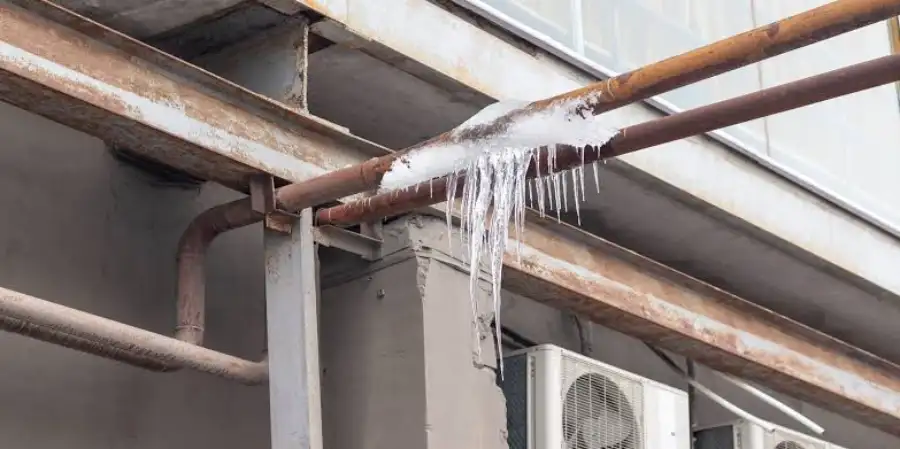
Frozen pipes are particularly dangerous because the biggest problem may occur when the ice begins to thaw.
When water freezes inside a pipe, it expands and increases pressure. The pipe can crack or burst, and the resulting leak may become apparent only after temperatures rise.
How to Recognize Frozen Pipes
Possible signs include:
- Little or no water coming from a faucet
- Frost or ice visible on exposed pipes
- Unusual pipe bulging
- Strange noises when turning on faucets
- Sudden changes in water pressure
If you suspect a frozen pipe, do not use an open flame to thaw it. Open the affected faucet and use safe, gradual warming methods where appropriate.
If the pipe has already burst, shut off the main water supply immediately and contact a professional plumber.
Major Drain Clogs
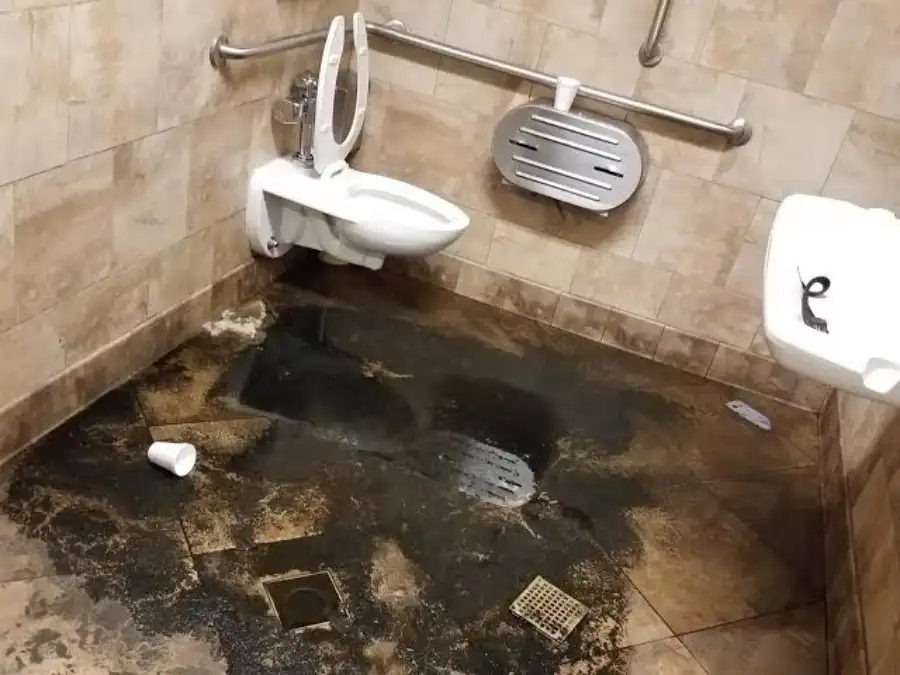
A clogged drain is not always an emergency. However, a severe blockage can become one when water begins backing up or several fixtures stop draining.
Before calling for emergency service, you can sometimes try a plunger or an appropriate mechanical drain-cleaning method. If the blockage does not clear, continuing to force water into the system can make the situation worse.
Chemical drain cleaners should be used with caution. They may damage certain plumbing materials and can create dangerous conditions if a plumber later needs to open or repair the drain.
Persistent or recurring clogs often indicate a deeper problem rather than an isolated obstruction. A professional inspection can help identify whether the issue is located within a fixture, branch drain, or larger drainage system.
What to Do Before the Plumber Arrives
When facing a plumbing emergency, taking a few simple steps can reduce potential damage while you wait for professional assistance.
Shut Off the Water
Knowing where your main water shutoff valve is located is extremely important. Every homeowner should know how to access it before an emergency occurs.
For individual fixtures, use the local shutoff valve when possible. For larger leaks or burst pipes, use the main shutoff valve to stop the flow of water throughout the property.
Protect Your Property
Move furniture, electronics, documents, and other valuables away from the affected area. Use containers and towels to collect water when possible.
Do not enter areas where standing water may have come into contact with electrical systems. Safety should always come before attempting to save belongings.
Document the Damage
Take photographs or videos of visible damage. Documentation can be useful when communicating with your plumber and, when applicable, dealing with an insurance claim.
Avoid Temporary Fixes That Hide the Problem
Tape, sealants, and other temporary solutions may sometimes reduce a minor leak, but they should not be considered permanent repairs for serious plumbing failures.
A professional inspection can determine whether the damaged component can be repaired or needs replacement.
When Should You Call an Emergency Plumber?
If you are unsure whether a plumbing issue is an emergency, consider three important questions:
- Is water actively causing damage?
- Is wastewater entering the property?
- Can the problem be safely contained until normal business hours?
If the answer to either of the first two questions is yes, professional help may be needed immediately.
You should also consider calling an emergency plumber when the problem affects the entire home, when multiple plumbing fixtures are failing simultaneously, or when you cannot safely identify or control the source of the problem.
Acting early can prevent a relatively small plumbing problem from developing into extensive water damage or a much more expensive repair.
How to Prevent Plumbing Emergencies
While not every plumbing emergency can be prevented, regular maintenance can significantly reduce the risk of unexpected failures.
Inspect Pipes Regularly
Check exposed pipes for corrosion, moisture, discoloration, or visible damage. Pay particular attention to areas underneath sinks, around toilets, and near water heaters.
Address Small Leaks Early
A small leak should not automatically be ignored because it seems harmless. Small leaks can worsen over time and may indicate a larger plumbing issue.
Avoid Flushing Problem Materials
Toilets should generally be used only for human waste and toilet paper. Items such as wipes, paper towels, hygiene products, and other materials can contribute to blockages and drainage problems.
Protect Pipes During Cold Weather
Insulate vulnerable pipes and maintain appropriate indoor temperatures during freezing weather. If you will be away from home during very cold conditions, take steps to reduce the risk of frozen plumbing.
Schedule Professional Inspections
Professional plumbing inspections can identify problems that are difficult to see during a normal visual check. Early detection can help prevent expensive emergency repairs later.
Final Thoughts
Plumbing emergencies can cause extensive damage when they are not addressed quickly. Burst pipes, severe leaks, sewer backups, overflowing toilets, water heater failures, frozen pipes, and major drain blockages all require a careful and timely response.
The most important thing is to control the situation safely. Shut off the water when necessary, protect your property, avoid unsafe DIY repairs, and contact a qualified plumbing professional when the problem is beyond a simple temporary fix.
Preparation is equally important. Knowing where your water shutoff valve is located, recognizing early warning signs, maintaining your plumbing system, and addressing minor problems before they become serious can help protect your home from unexpected plumbing emergencies.
When a plumbing problem is actively causing damage or creating a sanitation or safety risk, acting quickly can make the difference between a manageable repair and a much more expensive restoration.

