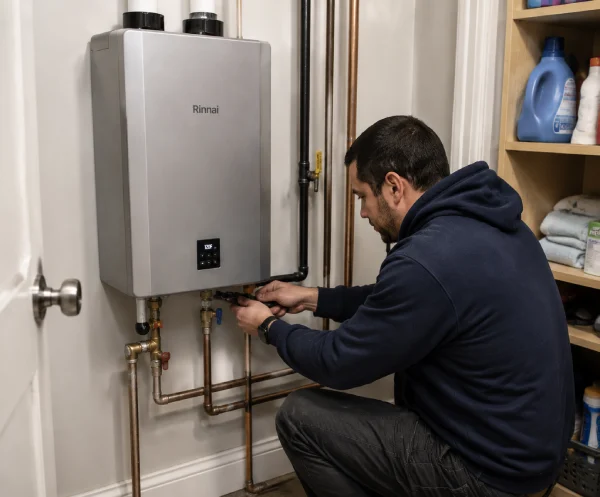
Rinnai Tankless Water Heater Repair
- No hot water production
- Rinnai error codes appearing
- Ignition and burner problems
- Water flow detection failures
- Temperature changes during use
- Water leaking from connections
- Mineral buildup inside heat exchanger
- Recirculation system problems
- Unit shutting down unexpectedly
- Vent and exhaust issues
- Low hot water output

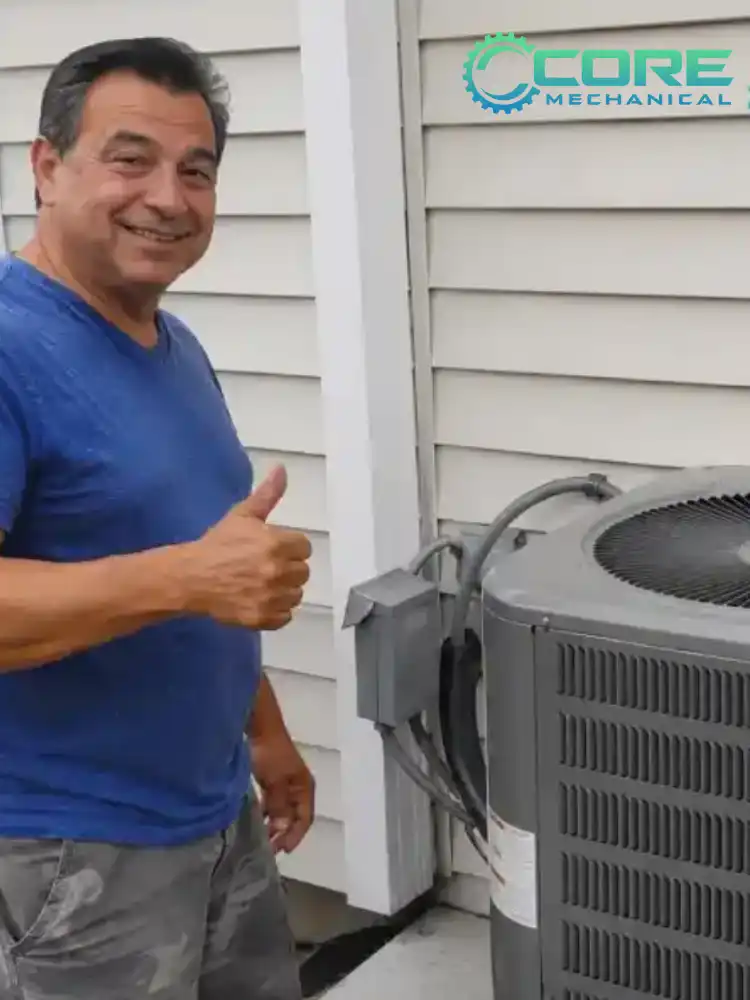
Our Happy Customers








Common Rinnai Tankless Water Heater Problems We Deal With
- No hot water from the unit
- Error messages on display
- Burner does not ignite
- Water flow detection problems
- Water leaks around the heater
- Heat exchanger scale buildup
- Hot water temperature changes
- Recirculation issues
- Unit stops during operation
- Ventilation problems
- Low hot water output
- Electrical control failures
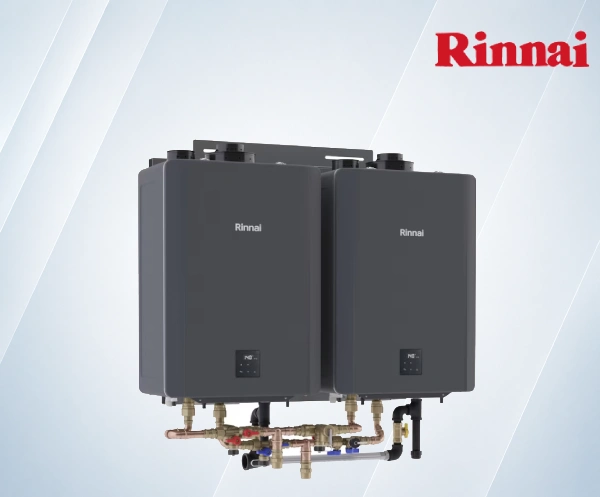
No Hot Water Output
When a Rinnai tankless water heater stops producing hot water, the problem usually means the unit is not completing one of the required steps in the heating process. The system may detect water demand but fail to ignite, maintain the flame, or transfer heat correctly through the heat exchanger.
Common causes include restricted water flow, ignition problems, dirty flame sensors, gas supply issues, mineral buildup, or a safety shutdown triggered by abnormal operation. Our technicians inspect the complete system to find the reason your Rinnai unit stopped providing hot water.
We diagnose Rinnai tankless models, check operating components, and restore reliable hot water performance with the correct repair solution.
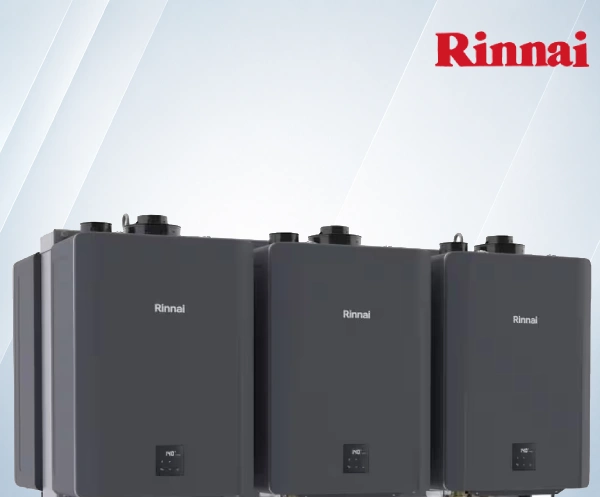
Error Codes on the Display
Rinnai tankless water heaters use diagnostic codes to identify operating problems related to ignition, water flow, temperature control, and safety protection. An error code can indicate where the system detected an issue, but the actual cause often requires professional testing.
Our technicians analyze Rinnai error messages, inspect the related components, and test the system operation to determine whether the problem comes from sensors, electrical controls, combustion components, or another part of the heater.
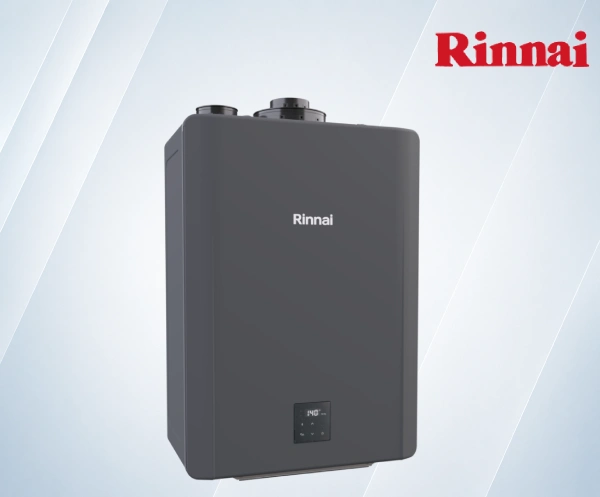
Water Flow Problems
Rinnai tankless water heaters depend on accurate water flow detection before starting the heating cycle. If the unit does not activate when hot water is requested, the problem may involve the inlet filter, internal water passages, flow sensor, or insufficient water pressure.
We inspect the water delivery system, check pressure conditions, clean affected components, and test the flow detection system to restore proper operation.
Ignition Failure
A Rinnai tankless water heater requires a precise ignition sequence to start producing hot water. If the burner does not ignite, the cause may be related to the flame sensor, ignition assembly, gas pressure, burner condition, or combustion air supply.
Our technicians inspect the ignition process from start to finish, test safety components, verify proper gas operation, and determine exactly why your Rinnai system is failing to establish a flame.
Water Leaking From the Unit
Water leaks around a Rinnai tankless water heater can develop from connection problems, worn seals, pressure relief components, condensate drainage issues, or internal failures. Ignoring even a minor leak can lead to water damage and additional equipment problems.
Our technicians locate the source of the leak, inspect all affected areas, repair damaged components, and confirm the system is operating correctly after service.
Mineral Scale Buildup
Hard water minerals can collect inside a Rinnai heat exchanger and reduce the efficiency of the heating process. Over time, scale buildup can affect water temperature, increase operating time, and cause performance issues.
We provide professional flushing and descaling service to remove mineral deposits and help your Rinnai tankless water heater maintain better efficiency and dependable operation.
Temperature Fluctuations
Inconsistent hot water temperature can happen when a Rinnai tankless water heater has problems with sensors, water flow, internal settings, or heating performance. Users may notice water becoming cold unexpectedly or temperature changing during normal use.
Our technicians test temperature controls, inspect system operation, and check the components responsible for maintaining stable hot water delivery.
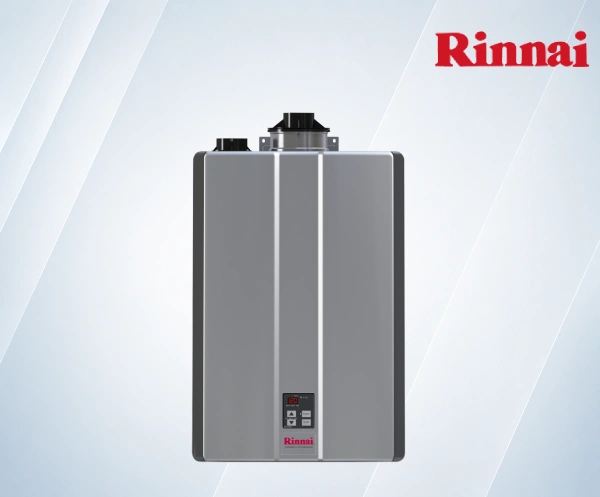
Unit Won't Start
If your Rinnai tankless water heater does not turn on or respond to hot water demand, the issue may be caused by electrical problems, control board failure, safety protection activation, or malfunctioning internal components.
We perform a complete diagnostic inspection to identify why your Rinnai unit stopped working and determine the most effective repair option without unnecessary replacements.





FAQ
Why is my Rinnai tankless water heater not producing hot water?
What Rinnai tankless water heater models do you repair?
Why does my Rinnai water heater temperature keep changing?
Should I repair or replace my Rinnai tankless water heater?
Do you provide emergency Rinnai tankless water heater repair?

